

69 creatives told me why their work is trash
Four paths out of the dumpster fire. Plus: The Studio Book Workshop is here (paid subs get first dibs)

I’ve spent the last two decades making creative work in NYC—as a graphic designer, photo director, textile designer, founder—and now as someone who writes and teaches creativity, process, and taste. After five years rolling around as a CEO, I’ve spent the last couple of years getting back to myself and what I actually love. And here with you.
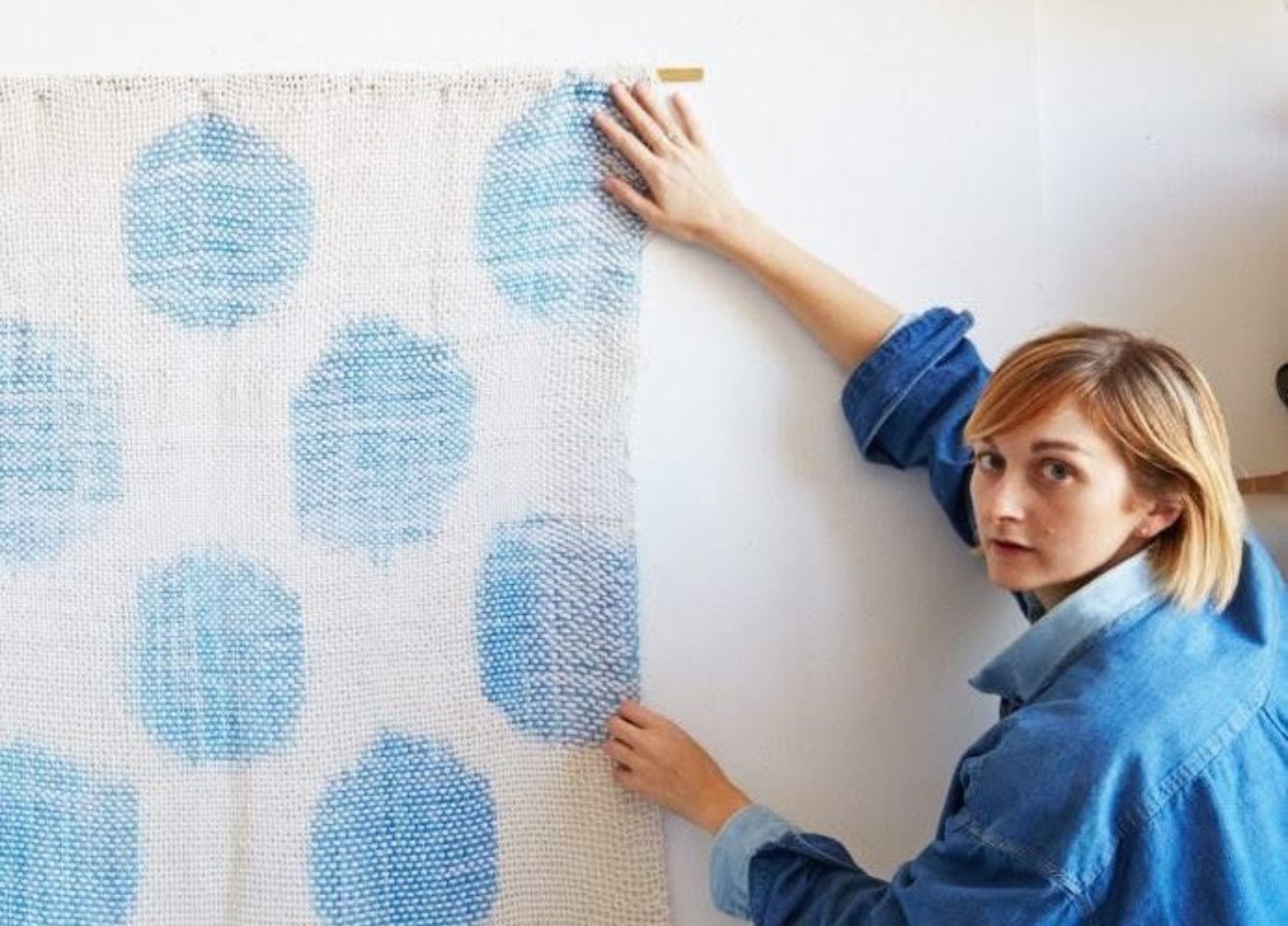
When the tech bros started droning on about “taste” last winter, I found it… amusing. What do these schmos in Patagonia vests, fresh out of Stanford or Harvard, really know about taste? I got riled up, matched their bravado, and thought: I’ll show you taste, queens.
Whether “teaching taste” is fully possible is still an open question—but it was enough to make me want to ask other creative professionals how they feel about it.
Literally realizing as I type this: this is exactly how I react to most tech-world stuff.
I built my own dating app the same way—thinking, “If these bros can do it, so can I.” Reactionary creation. Whatever works.
Back in February, I sent a survey to creatives in my network to understand where they actually feel blocked between their taste and their output—and whether there was a real opportunity to design support (teaching, tools, formats) that helps creative professionals (art directors, designers, writers, strategists) make work that looks and feels more like them, not just what performs.
My goal with the survey was to understand three things:
What feels most difficult about creative decisions right now
What they’ve already tried
What kinds of help (workshops, guides, videos, practice) would actually
be useful
I ended up asking 69 creative professionals what makes their work feel generic or “not really them.”
Reading through the responses, it was clear this wasn't about talent. Many of these respondents, after all, held lead creative roles at name brand companies—it was about a few nasty pits people kept getting stuck in.
These patterns came up over and over. See which ones sound like you.
There is a poll below to claim your identity.
One: trend pressure
You start making what performs online instead of what actually feels like you. Doechii noticed this pattern in Denial is a River — she invited us into her own inner dialogue to listen, “Now I’m makin’ TikTok music, what the fuck?”.
One person described it as ‘copying what’s worked for others rather than creating our own point of view.’ Another said every campaign ‘had to fit the standards or moulds of social media engagement tools,’ so the work started to feel inauthentic.
Two: no time for references
You’re working on deadlines, cranking out whatever is needed in the moment. There’s no time for the nerdy deep dives that expands the work.
Several people repeated this hurdle, not enough ‘time and bandwidth to explore references.’ One person summed it up perfectly: ‘Lack of time, not in-depth research, which leads to generic insights—it’s all connected.’
Three: the translation gap
You can spot good work in other people, but when it’s yours, you second‑guess everything. The famous Ira Glass observation on what he calls ‘the taste gap’
A lot of people said some version of ‘my taste isn’t good enough.’ One person wrote, ‘I chicken out on an idea because I get into the “it’s not good enough” space before I even start,’ and then end up with something more generic.”
Four: fear of being “too weird or niche”
You worry that if you follow your taste all the way, it will be “too much” for clients, bosses, or the feed—so you beige out the weird. Tone it down for the masses.
One person inspired the pattern and spelt it out “fear of being too weird or niche.” Another described fun, weird graphics for a big tech brand getting “completely neutered” by an internal brand team until the final work “wasn’t even worth showing in my portfolio.”
My goal is simple: help you spot your pattern, the nasty pit you fall into, then give you a way out of it before it slips into the void again.
After the jump, I’ll show you one practical move to break from each pattern. Try it this week, and start to see the color come into work again.
Bring it to life! Oust the beige.
